

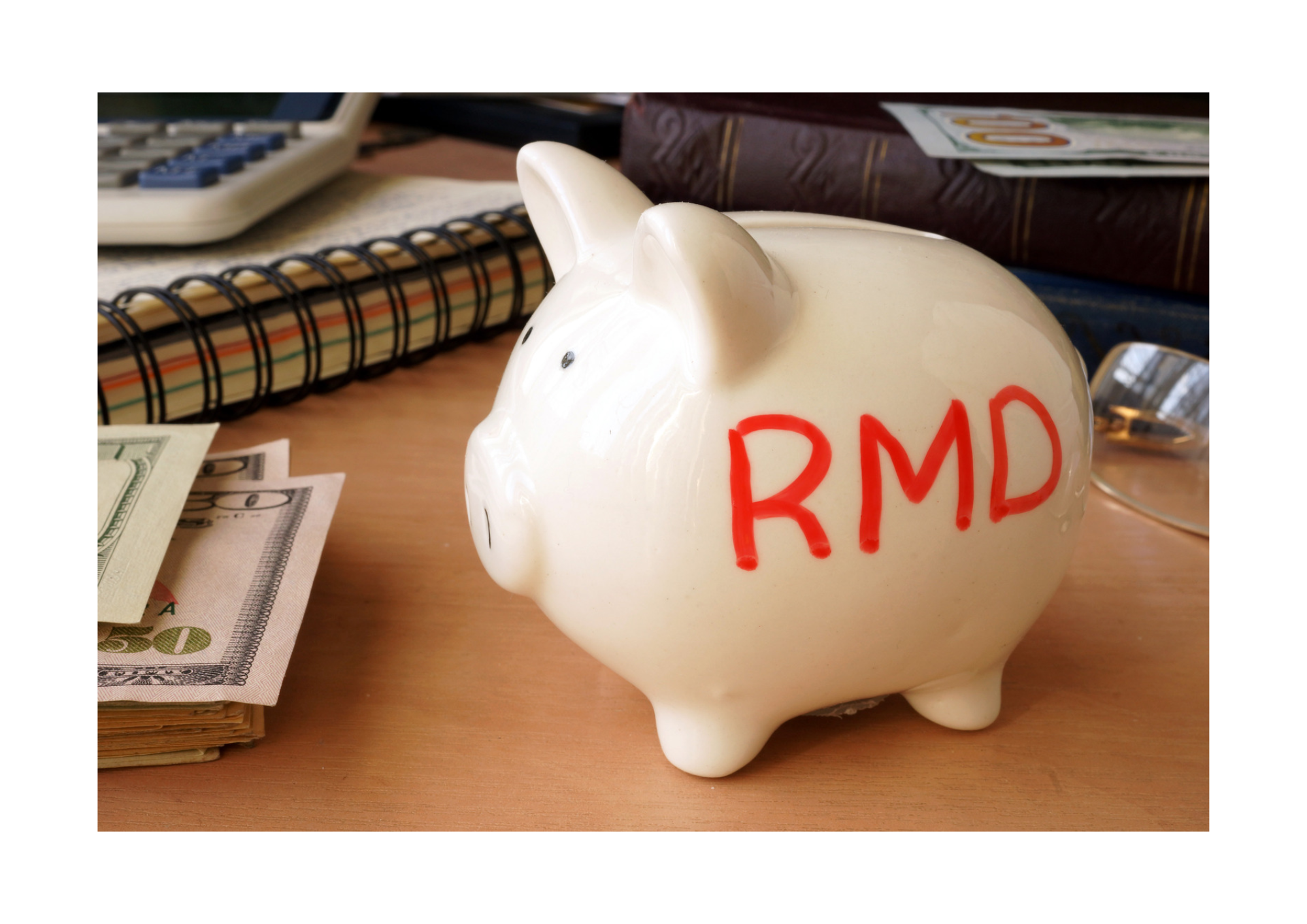
Required Minimum Distribution Tax Strategies Worth a Closer Look
When you have significant retirement savings, your annual required minimum distributions (RMDs) can have tax consequences that extend well beyond your income tax bill. With some thoughtful planning, however, you may be able to manage these costs while making the most of your retirement savings. Here are four strategies worth considering.
Keep your RMDs from driving up Medicare premiums
The income you report on your tax return today could affect what you pay for Medicare two years from now. This is because Medicare uses your Modified Adjusted Gross Income (MAGI) from two years prior to determine whether you must pay higher Part B and Part D premiums through income-related monthly adjustment amounts (IRMAA). A large RMD could push you into a higher Medicare premium bracket, even if your ordinary income tax rate stays the same.
Tax Tip: Coordinate your RMDs with other sources of taxable income to possibly avoid crossing these thresholds and paying hundreds or even thousands of dollars more in annual Medicare premiums.
Use the years before RMDs begin to your advantage
Retirement may open the door to an interesting tax planning opportunity, particularly if your income drops before required minimum distributions begin. During these years, you may be able to convert portions of your traditional IRA into a Roth IRA while taking advantage of a lower income tax bracket.
You'll pay income taxes on the converted amounts now, but you'll also reduce the balance of your traditional IRA and potentially lower your future RMDs. Better yet, Roth IRAs aren't subject to lifetime RMDs for their original owners.
Tax Tip: Compare the cost of converting IRA assets today with the potential savings in income taxes and Medicare premiums down the road.
Be strategic about which retirement accounts you tap
When you have substantial assets spread across traditional IRAs, Roth IRAs and taxable investment accounts, deciding where to withdraw money can become an important part of your overall tax strategy. The goal is to coordinate these withdrawals in a way that minimizes your tax burden while preserving flexibility for future years.
For example, after satisfying your RMD, you might fund additional expenses by selling investments with a high cost basis or taking qualified Roth IRA withdrawals. This could help you avoid realizing unnecessary taxable income, particularly in years when investment gains, dividends or other income are already substantial.
Tax Tip: Review your projected income and capital gains before deciding which accounts to tap. A coordinated withdrawal strategy could help you manage your tax bracket, Medicare premiums and future tax liabilities.
Avoid the potential tax hit of taking two RMDs in one year
The IRS gives you a little extra time to take your first RMD, generally allowing you until April 1 of the year following the year you reach your applicable RMD starting age to make that initial withdrawal.
But taking advantage of this extension could create an unwelcome tax surprise, as subsequent RMDs must be taken by December 31st. If you postpone your first distribution until the following April, you'll also need to take your second RMD by the end of that same calendar year. For retirees with substantial IRA balances, these combined withdrawals could push taxable income into a higher bracket and trigger increased Medicare premiums down the road.
Tax Tip: Before delaying your first RMD, ask your tax advisor to compare the tax consequences of taking your first distribution this year versus next year. Spreading the withdrawals across two tax years could result in significant savings.
Make RMD planning part of your bigger tax strategy
The key to managing RMDs is looking beyond the required withdrawal itself. Coordinating distributions with investment income, charitable giving and other retirement decisions can help you keep more of your savings working for you.
As always, should you have any questions or concerns regarding your tax situation please feel free to call.